Oral Traditions
Two primary aspects of the culture have been passed on through the Oral Tradition. The first is the simplest distinguishing feature of every practicing Zoroastrian- the use of the garments of the sudreh and kusti. (link section) The second is an examination of the Yasna (link section) – an ancient, almost prehistoric ceremony. Through the oral tradition and later textual evidence, both rituals, of the sudreh-kusti and yasna, interlink to create the living foundations of a faith.
The Gathas, oral songs or hymns, have been carefully preserved in memory as the most sacred part of the Avesta, the words of Prophet Zarathushtra himself. They are arranged in five formal groups according to their various metres and were made part of the daily liturgy called the Yasna or ‘act of worship’. The Younger Avestan Yasna grew to have seventy-two sections, some parts of which were taken from the Yashts or hymns to the lesser divinities of Zoroastrianism. A later addition to the scripture is the Vendidad (Vidaevo-data, ‘against the demons’), a collection of prose texts in the late Younger Avestan probably started in the Parthian period and concerned with rituals and observances against evil. This became a part of the night celebration of the Yasna, and is the only text not recited entirely from memory.
Monajats
Monajats were in the spoken language of the believer: it could be Persian or Gujarati and they were chanted or sung. Many were songs of praise, prayers to thank the Almighty, women’s songs and lullabies which included blessings on a child going to bed or requests for blessings on family members. Some were for special occasions such as marriages and Navjotes, mingling in India with the tradition of the Geet and Garba, songs and dances, for family and social events. With the loss of the spoken dialect P.G., these songs have almost disappeared.
The best example of P.G. is perhaps in the monajats, which need to be studied in detail, because they have kept for the Parsis, for over a thousand years, the memory of their Zoroastrian culture.
The monajat is the simplest form of Zoroastrian oral transmission. Learnt in childhood, when children pick up monajats as a fun filled part of the day, it becomes the oral equivalent of cultural transmission even before a child has learnt to read. It has no teacher or priestly guide. It is a family centered transmission, a very informal system which children absorbed almost by osmosis and binding everyone together in music.
It is through the monajat that core teachings entered a child’s consciousness to reinforce living precepts and examples. While these songs are very simple, they show how a tradition and religion transmits itself. Important Avestan words, concepts from the Gathas, a very complex set of teaching have been carried across millennia through Persian and Parsi Gujarati monajats.
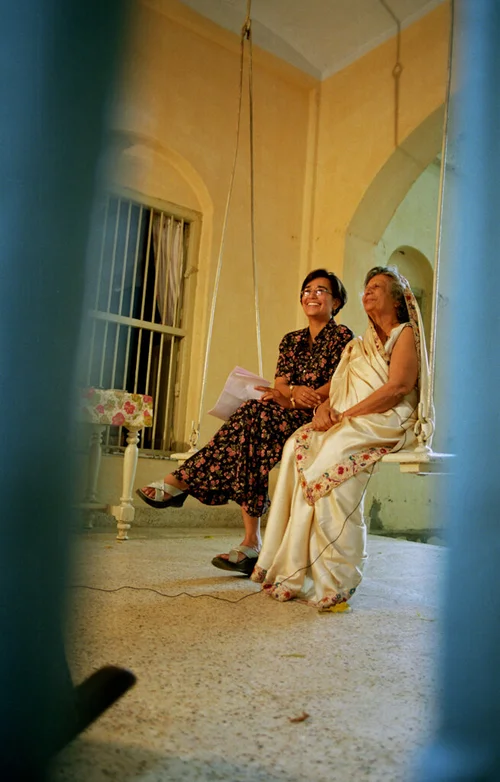
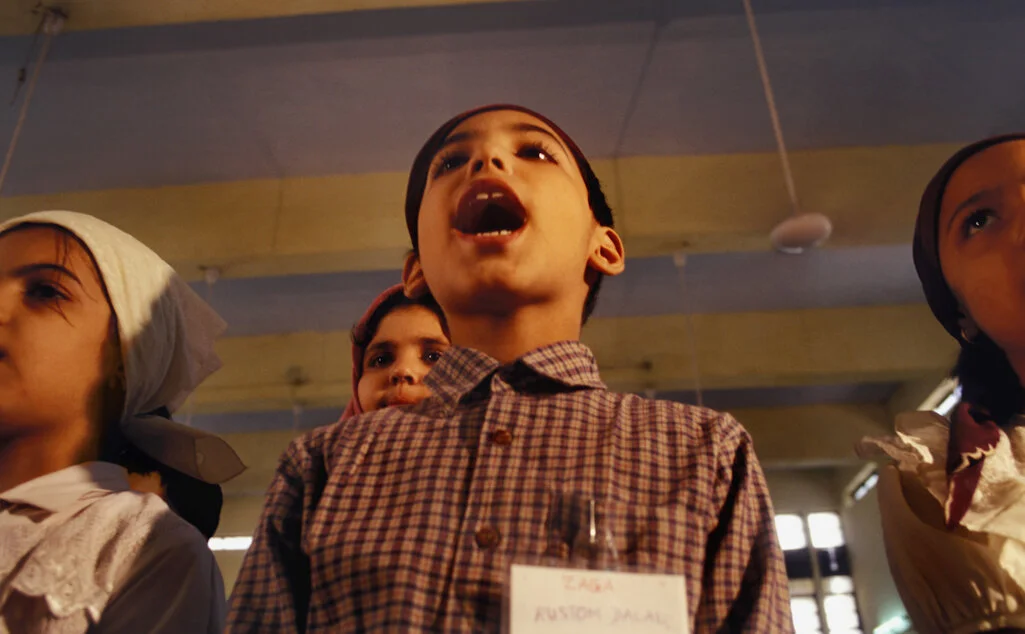
Traditionally sung in Gujarat while evening fell and generations gathered around the swing on the verandah, monajats now need to be taught in Sunday classes where other aspects of the faith and culture are inculcated;
Image 1 – Ahmedabad, the late Khorshed Dastoor teaches her granddaughter Delnaz Jokhi;
Image 2- students at the Ushta-te classes, Ahmedabad.
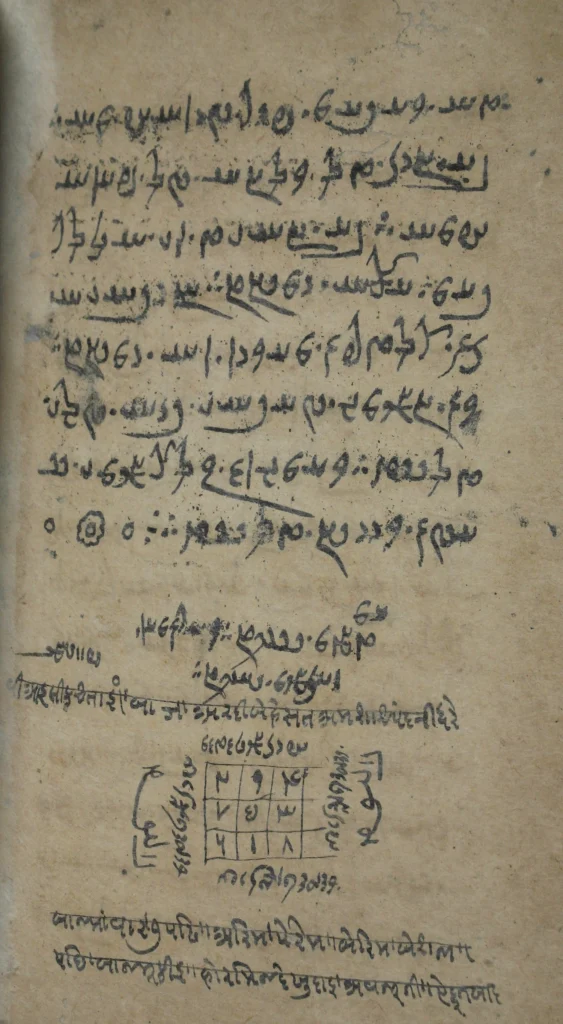
Monajats in Avestan, Persian and old Gujarati. There are altogether five monajats in Persian with zend characters, avestan and old Gujarati. Presented by Dastur Rustomji Kekobadji Dastur Meherjirana. Meherjirana Library, Navsari
Related Articles
An Introduction to Zoroastrianism: Continuity & Change
Once the state religion of a massive empire of the ancient world, Zoroastrianism has been reduced to a handful of refugees & today is one of the smallest minority religious