Arts & Crafts
“Zoroastrian culture has been, from the beginning of history, a Magpie culture- collecting all that was attractive and pleasing to the eye, into their own being and homes.”
- Dr. Shernaz Cama
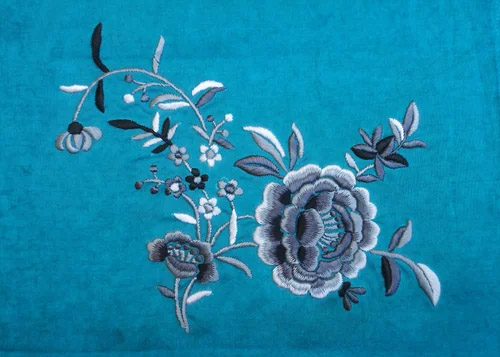
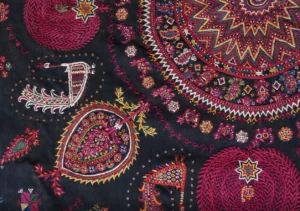
Parsi arts and crafts draw upon a minimum of four cultural traditions- Iranian, Indian, Chinese and European, to produce a hybrid form of astonishing beauty.
Ranging from exquisite embroideries to carved silver, from the ancient craft of wine-making to modern art, from the gathas and garbas to Western Classical music, the community has, through time, given many marvels to global arts and crafts.
UNESCO acts as a catalyst in Cultural Projects that have such significant value to global history and culture and supports all of Parzor’s endeavours to safeguard this rich heritage, and while Parzor Foundation has been fortunate in being able to record many art practitioners from the Parsi-Zoroastrian community, it is up to the local cultural community to raise the necessary funding for specific modules.
Parzor has worked to be a custodian of Parsi-Zoroastrian culture. You may contribute to us by sharing your Parsi history or story,a rare manuscript, a family heirloom or anything you believe could contribute to the preservation of Parsi-Zoroastrian Culture.
Parsi Embroidery: An Intercultural Amalgam
Google Arts & Culture
Online Exhibit
Parsi Embroidery: An Intercultural Amalgam
A story of multi-cultural history, dynamic routes & roots of Parsi craft.
Google Arts & Culture
Online Exhibit
Articles

Parsi Embroidery: An Intercultural Amalgam
Chapter in Global Textile Encounters, edited by Marie-Louise Nosch, Zhao Feng and Lotika Varadarajan (December 2017) From early history, textiles have woven together the tapestry of humanity. The Parsi Zoroastrians,
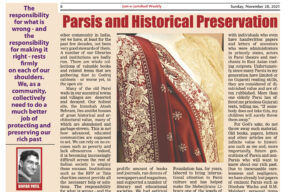
Parsis and Historical Preservation
Dinyar Patel for Jam-e-Jamshed Weekly, Sunday, November 28, 2021
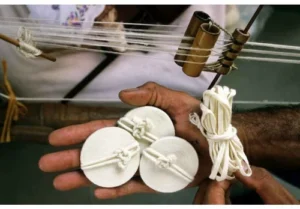
Sacred Armour: Ritual Garments of the Parsi Zoroastrians Aeons ago, a reservoir of cultural leitmotifs and symb
Sacred Armour: Ritual Garments of the Parsi Zoroastrians Aeons ago, a reservoir of cultural leitmotifs and symbols developed among the peoples of the Central Asian steppes. Drawn from the pastoral